How Long Does a Reserve Study Take?
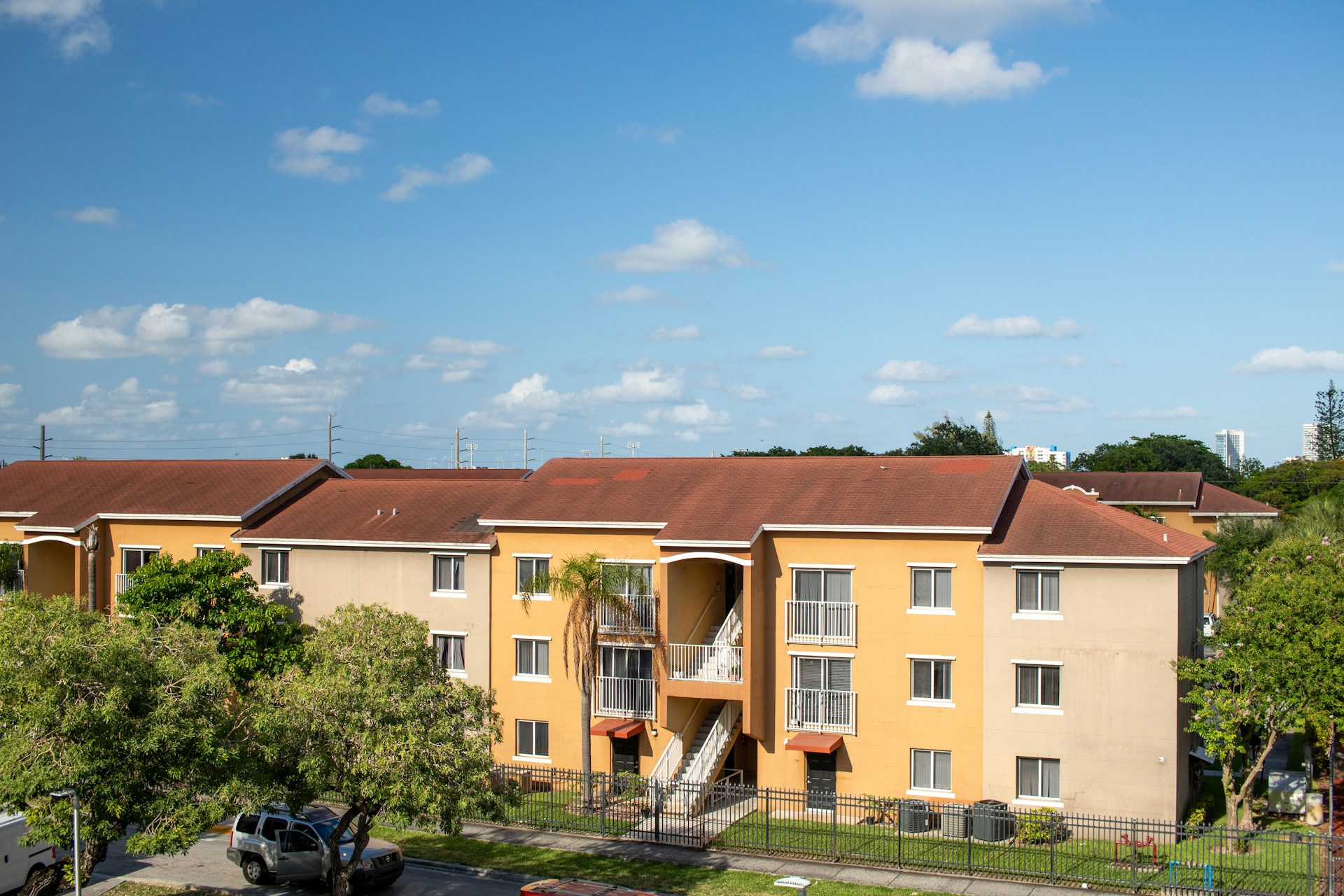
Most professional reserve studies take four to eight weeks from signed proposal to final report. Reserve Study Group's standard is a final draft within four weeks of a signed contract. Updates that reuse an existing component list are faster, and very large or complex properties, or studies commissioned in peak budget season, can take longer.
That answers the question boards usually mean. There is a second one hiding behind it, which is how long the finished study stays valid, and the answer to that is much shorter than most boards assume. This guide covers both.
The Reserve Study Timeline, Step by Step
A full study follows five stages. The durations below are typical for an association that responds promptly at each step.
- Proposal and engagement (1 to 2 business days for the proposal). A provider needs the property type, unit count, a component summary and the fiscal year to quote. The variable here is not the provider but the board: if the proposal has to wait for the next monthly meeting, add up to four weeks before anything else starts.
- Document collection (1 to 2 weeks). Governing documents, the previous study, the current budget, the reserve balance and recent financials, a history of major repairs with invoices, site plans if available, and any engineering reports such as a milestone, SIRS or balcony inspection. This stage runs in parallel with scheduling.
- Site visit (a few hours to two days on site, scheduled 1 to 3 weeks out). A visual, non-invasive inspection of the accessible common area components, ideally with the manager or a board member walking the property. Roofs, mechanical rooms and inside-unit elements such as balconies need arranged access.
- Analysis and draft report (2 to 3 weeks). The provider builds the component inventory, assigns condition, useful life, remaining life and replacement cost to each item, calculates the fund status and percent funded, and models the 30-year funding plan.
- Board review and final report (1 to 2 weeks). The board checks the draft for missing components, wrong dates and an out-of-date reserve balance, which is the single most common correction, and the provider issues the final. Many boards ask for a short presentation at this stage.
Add the stages up and a well-run study lands in the four to six week range, with the tail out to eight weeks when scheduling or documents slip.
Update Studies Are Faster
CAI's Reserve Study Standards define three levels of service, and the level drives the timeline:
- Level I, full study. Everything above, including a fresh component inventory. The four to eight week case.
- Level II, update with site visit. The inventory already exists, so the site visit confirms quantities and conditions rather than building the list from scratch. Typically three to six weeks.
- Level III, update without site visit. A desk update of costs, balances and the funding plan. Often two to three weeks once the financials arrive.
Our guide to how often to conduct or update a reserve study explains which level fits which year.
What Slows a Reserve Study Down
In our experience the calendar is set less by the provider's workload than by six factors on the association's side:
- Missing documents. The most common delay. A study cannot be finalised without a confirmed reserve balance, and a component list is only as good as the repair history behind it.
- Size and complexity. A high-rise with elevators, a central plant and a parking structure has several times the components of a townhome community, and each one needs a cost and a life estimate.
- Access. Locked mechanical rooms, roofs that need a lift, and balconies inside private units all require coordination. In northern states, snow cover can push site visits into spring.
- Peak season. Most associations budget in late summer and autumn, so August to November is the busiest period for site visits. Statutory deadlines add to it: Florida's SIRS requirement, Maryland's and Tennessee's five-year cycles, and California's three-year rule all create clusters of demand.
- Specialist inputs. Where the study depends on an outside inspection, such as a Florida milestone inspection or a California balcony inspection, the reserve study waits on that schedule too.
- Scope changes. Adding buildings, phases or components after the site visit means a second visit or a longer desk analysis.
When to Start
Work backwards from the date the board must adopt its budget. A study should be in the board's hands a couple of months before that meeting, which means engaging a provider three to four months ahead, and earlier if the site visit will fall in peak season. Several states set the budget calendar in statute, so the deadline is usually fixed well in advance.
Three other triggers justify starting immediately rather than waiting for budget season:
- A pending sale or refinance where the lender wants a study under 36 months old. Our guide to condo reserve studies explains the current Fannie Mae and Freddie Mac rules.
- A statutory deadline, for example a Maryland or Tennessee five-year update falling due.
- A major project, insurance loss or inspection finding that has changed the component list.
How Long a Reserve Study Stays Valid
A reserve study is prepared for a specific fiscal year. After that, the balance, the costs and the components' ages have all moved, which is why CAI's standards call for the study to be updated on a regular basis, with a site-visit update at least every third year. Lenders will not rely on a study more than 36 months old, and state minimums range from three years in California and Washington to five in Maryland, Tennessee and Virginia. In practice, a study that took six weeks to produce is doing its job for twelve months and needs at least a desk update after that.
How to Shorten the Timeline
- Assemble the document pack before signing, especially the reserve balance and repair history.
- Name one contact, usually the manager, with authority to answer questions.
- Book the site visit at engagement and confirm access for roofs, mechanical rooms and units.
- Return draft comments within a week, in one consolidated set.
- Engage before June if the study is needed for an autumn budget meeting.
Frequently Asked Questions
- How long does the site visit take? A few hours for a small community, a full day or two for a large or high-rise property.
- Can a reserve study be done in two weeks? A no-site-visit update can. A full study in two weeks is rare and usually only possible outside peak season with every document ready on day one.
- Does the board need to attend the site visit? No, but a walk-through with the manager or a board member catches components and history the provider would otherwise have to ask about later.
- How long is a reserve study good for? One budget year. Update it annually and repeat the site visit at least every three years.
How Reserve Study Group Can Help
We return proposals within one to two business days and deliver a final draft within four weeks of a signed contract, with update studies faster still. To get a date in the diary before budget season, request a proposal and our team will be in touch.
If you have any questions, our team of reserve study professionals will contact you immediately.


