Colorado Reserve Study Requirements: What CCIOA Requires and What Changed in 2026
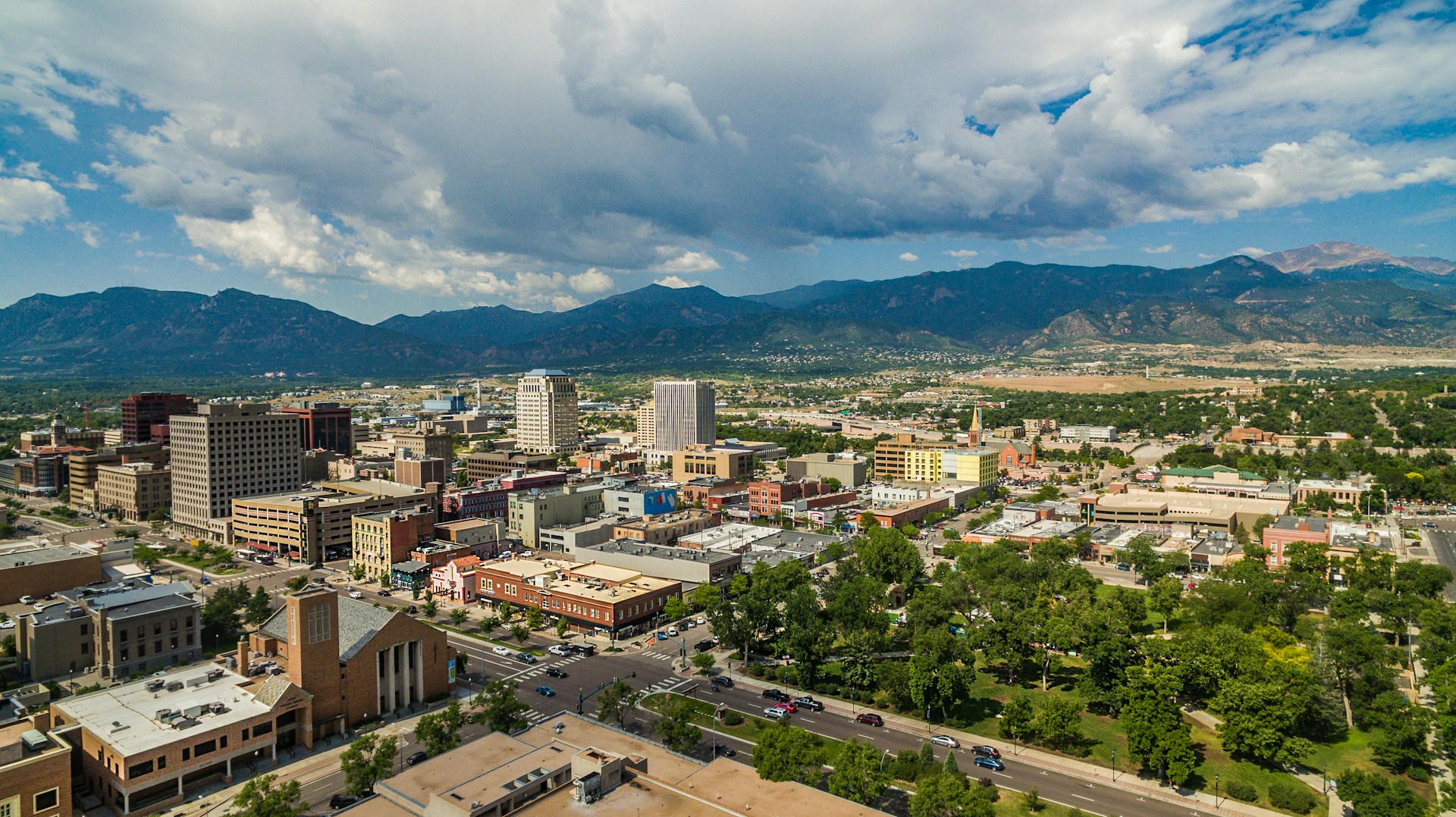
Colorado is often described as a state with no reserve study law. That is only half right. Existing associations are not required to commission a study, but every association must adopt a written reserve study policy, disclose its reserve position to owners each year, and, from August 12, 2026, every new community must start life with a professional 30-year reserve study paid for by the developer.
Below is what the Colorado Common Interest Ownership Act (CCIOA) actually requires, what the 2026 law adds, and why some websites still get Colorado wrong. For how we prepare studies in the state, see our Colorado reserve study page.
What CCIOA Requires: A Reserve Study Policy
CCIOA section 38-33.3-209.5 requires every association, including communities created before the Act, to adopt nine responsible governance policies. Two concern reserves: a policy on the investment of reserve funds, and a reserve study policy that must state:
- When the association has a reserve study prepared for the portions of the community it maintains, repairs, replaces or improves
- Whether there is a funding plan for the work the study recommends, and if so, the projected sources of funding
- Whether the study is based on both a physical analysis and a financial analysis
The statute adds that an internally conducted reserve study is sufficient for this purpose. It does not set a study frequency, does not require a professional, and does not set a minimum funding level. The state's HOA Information and Resource Center makes the same point: a reserve policy is required, a reserve study is not.
That makes the policy the compliance document. If it commits the board to a professional study every three years, that is now the standard the board will be judged against. A policy that says the association has no study and no funding plan is lawful, but it is also a written admission that the board is budgeting without one.
Section 38-33.3-209.4 then requires associations to make an annual disclosure available to owners within 90 days of each fiscal year end, including the budget, financial statements and the governance policies. Reserve strength is visible to owners whether or not a study exists.
HB 22-1387 Did Not Make Reserve Studies Mandatory
Several websites state that House Bill 22-1387 made regular reserve studies mandatory in Colorado from January 1, 2025. It did not. The bill would have required associations with major shared components to prepare a reserve study and account for reserves in the annual budget, and would have obliged developers to disclose the study and fund reserves at turnover. It passed both chambers, but Governor Polis vetoed it on May 27, 2022, citing the cost burden on homeowners. No part of it took effect.
If your association is working from advice based on HB 22-1387, that advice is wrong. The 2026 law below is what actually changed.
HB 26-1099: The 2026 Change for New Communities
House Bill 26-1099 was signed on April 13, 2026 and takes effect on August 12, 2026. It adds a new section 38-33.3-209.2 to CCIOA and picks up the developer piece of the vetoed 2022 bill.
- Who. The declarant (developer) of a new planned community or condominium. Cooperatives are not covered.
- What. Before control passes to the owner-elected board, the declarant must commission and pay for a reserve study covering the common elements and property the association is responsible for under the declaration, with cost estimates projected over 30 years.
- Who prepares it. An independent reserve study professional, or another qualified professional with knowledge of industry reserve study standards, who has no business relationship with or financial interest in the declarant beyond the engagement and is not an affiliate.
- Handover. Within 60 days after owners elect a majority of the board, the declarant must deliver the study to the association along with the other transition records.
- Ongoing disclosure. The association must include its most recent study in the annual disclosure to owners.
- Management turnover. Separately, a management company that is terminated or not renewed must hand over all money, records, passwords, keys and property within 45 days, or pay the association $250 for each business day of delay, with treble damages for wilful violations.
What the law does not do matters just as much. It does not require existing associations to obtain a study, does not require the study to be updated on any schedule, and does not set a funding requirement. An earlier draft would have made the declarant pay 1.5% of the fully funded balance into reserves; that provision was dropped before passage.
What Colorado Boards Should Do Anyway
The absence of a mandate does not reduce a board's fiduciary duty to maintain the property, and three outside pressures now do the mandate's job:
- Lenders. Fannie Mae and Freddie Mac require condominium budgets to allocate at least 10% of assessment income to reserves, rising to 15% for loan applications from January 4, 2027, unless the association follows the highest funding level in a reserve study under 36 months old. Our guide to condo reserve studies covers the detail.
- Insurers. Carriers increasingly ask about roof age and deferred maintenance before renewing, and Colorado's hail and freeze-thaw climate shortens roof and pavement lives.
- Owners. Special assessments are a frequent source of disputes, and a current study is the board's defence.
The practical standard is the one CAI's Reserve Study Standards recommend: a site-visit update at least every third year with annual updates between. Our guide to how often to update a reserve study explains the levels, and percent funded is the number to watch once you have one.
Frequently Asked Questions
- Are reserve studies required in Colorado? Not for existing associations. CCIOA requires a reserve study policy, and from August 12, 2026 developers must commission a 30-year study before transferring control of a new community.
- Does Colorado set a minimum reserve funding level? No. Funding is governed by the association's policy, its declaration and its fiduciary duty.
- Can a board member prepare the study? For the CCIOA policy, yes, an internal study is sufficient. The HB 26-1099 study must be prepared by an independent professional.
- How often should a Colorado association update its study? Every three years with a site visit is the industry standard, and many Colorado associations that have a study work on a three to five year cycle.
How Reserve Study Group Can Help
We prepare independent reserve studies for Colorado associations, and for developers who need a compliant transition study under HB 26-1099. If your board needs a first study, an update or a policy review, request a proposal and our Colorado team will be in touch.
If you have any questions, our team of reserve study professionals will contact you immediately.


